Three Castles Burning
Three Castles Burning is a social history podcast dedicated to the story of the Irish capital, Dublin. It explores the city's many stories, focusing on some of the more forgotten ones. The podcast is hosted by Donal Fallon and offers a deep dive into Dublin's rich history.
Episodes

The Dublin of Magill Magazine: From Merrion Row to the Ballymun Towers
Vincent Browne's Magill magazine remains one of the most important publications of its kind in Irish history. Joined by Kevin Rafter (author of Fearless, a new history of the magazine published by New Island Books), we journey through some of its important Dublin stories and locations. From the heroin crisis in suburban Dublin to the failures of the Ballymun project, Magill reported truthfully and

Before the Olympia: Dan Lowrey's Palace of Varieties
In the Victorian age, the entertainer Dan Lowrey created a truly special theatre, music hall and Palace of Varieties in the laneway of Crampton Court. Today, it has grown into the Olympia Theatre. The story of this theatre involves daredevil antics, the occasional tragedy and visiting celebrities. In this episode we meet characters as diverse as Peadar Kearney and the male impersonator Vesta Tille

A Tribute to Frank McDonald (1950-2026)
Marking the passing of one of the most significant commentators on the past and present of Dublin city, this episode draws from a different discussion with McDonald from the one that featured in an earlier edition of the show. Reflecting on his own career and friendships, McDonald was in fine flying form as we chatted in Henretta Street. This episode is dedicated to his memory.

Executioners: The Pierrepoint Family
Albert Pierrepoint was a household name in his own lifetime, even penning the best-selling memoir Executioner. A hangman who followed in the footsteps of his father and uncle, Dublin was an important part of his story, including both Kilmainham Gaol and Mountjoy prison. In the years of the War of Independence, more than one plan was devised by republicans to keep his uncle Tom from carrying out an

Madame Tussaud and Dublin: Guillotines and Escape Cars
In the early nineteenth century, Madame Tussaud spent several years in Dublin. Her waxworks and relics of the French Revolution proved a big draw for crowds here, packing out a gallery on Exchequer Street and touring the country. She would even create works honouring the leading Irish politician of the day. Her time in Ireland would shape her later world famous museum, and decades later it acquire

Bia Duit: Food in Dublin in 1904 (Live at The Signal House)
In Ulysses, the pub we know as J & M Cleary's appears as The Signal House. It seemed a good location to explore food in the time of James Joyce. Ann Marie Duffin's fantastic page Bia Duit has been exploring food history and folklore, and she joins me to talk all things food in 1904. Ken and Gwen from the brilliant Assassination Custard - a beloved institution on Kevin Street - brought along their
A Vision for Irish Theatre: Deirdre O'Connell (with Sabina Higgins)
At the recent Luke Kelly Festival, I was delighted to speak with Sabina Higgins (née Coyne) all about the Focus Theatre and Deirdre O'Connell. Bringing the Stanislavski acting system to Ireland in the 1960s, Deirdre transformed how young actors felt about the possibility of the theatre. The tiny Focus Theatre - with the support of Luke Kelly and others - had a massive impact on the theatre here, p

Cold War Football: Yugoslavia in Dalymount Park
In October 1955, the visit of Yugoslavia to Dublin caused real division in Irish society. A top-class football side on the world stage, opposition to communism led Archbishop McQuaid and others to call for a boycott of the game. In a new book, Cold War Football: A History in Ten Matches, Alan McDougall and Tony Shaw examine this match and others like it, weaving Cold War tensions and the excitemen

Citizen or Lord? The Life of Edward Fitzgerald (with Fergus Whelan and Annie Hughes)
There could be nowhere more fitting to discuss the life of Edward Fitzgerald than upstairs in the Lord Edward, as part of Culture Date with Dublin 8. That he was born into privilege is clear, but Fitzgerald also rejected it, his sister recalling that "he was a Paddy and no more; he desired no other title than this." Annie Hughes is a singer and a member of An Góilín Traditional Singers. Fergus Whe

Back to the Census: The Story of Us (with John Gibney)
John Gibney is co-editor of The Story of Us: Independent Ireland and the 1926 Census. On a sunny day, we sat on a bench dedicated in part to a man you'll find in that census, and discussed what is in this extraordinary landmark census. We look at some interesting people, like the writer Dorothy Macardle, the widowed Maud Gonne MacBride and an influential Italian on Pearse Street. An earlier episod

Stephen's Green Shopping Centre: Dandelions and Developers
It would seem everyone in the city has an opinion on the shopping centre at the top of Grafton Street. With that in mind, it seems a good time for a potted history of it and the site it occupies. Controversial in its own day, the project was overseen by the architect James Toomey, though it fell somewhat short of the original vision. What is to be done with this 1988 centre, and why has its propos

Unquiet Ghost: The Bones of Roger Casement (with Rory Carroll)
In 1965, the body of Roger Casement was returned to Ireland. No longer condemned to the grounds of Pentonville Prison, he would be buried in Dublin's Glasnevin Cemetery, where he is one of the first graves a visitor encounters today. There were political questions around Casement's body in the 1960s, and his final request was not honoured. Rory Carroll, author of the bestselling 'A Rebel and a Tra

More Pricks Than Kicks: The Dublin of Samuel Beckett
Today marks the 120th birthday of Samuel Beckett. Inspired both by this milestone anniversary and by the wonderful new exhibition of the work of photographer John Minihan in the National Gallery of Ireland, this episode explores sites that are important to the story of Beckett and Dublin. Some, like Trinity College Dublin, will be familiar. Others, like the family business on Clare Street where he

Quiet Revolutionary: The Life of Éamonn Ceannt
With the 110th anniversary of the Easter Rising upon us, it seems a good time to look at one of the less familiar figures of the story. Somewhat in the shadows, Éamonn Ceannt was a meticulous organiser, vitally important not only to the revolutionary movements of his time but traditional music too. His Dublin centred on Rialto, Dolphin's Barn, Crumlin and the surrounding areas, and in this episode

Drowning the Shamrock? The Gaelic League and the War on Pubs
In 1903, Saint Patrick's Day formally became a national holiday in Ireland, following a push from the Gaelic League. In the pages of their newspaper, An Claidheamh Soluis, a battle was waged for the closure of public houses on the day. Some publicans stood in opposition to this. This is the story of how a sober St Patrick's Day was achieved, and how it would take until the 1960s for change.
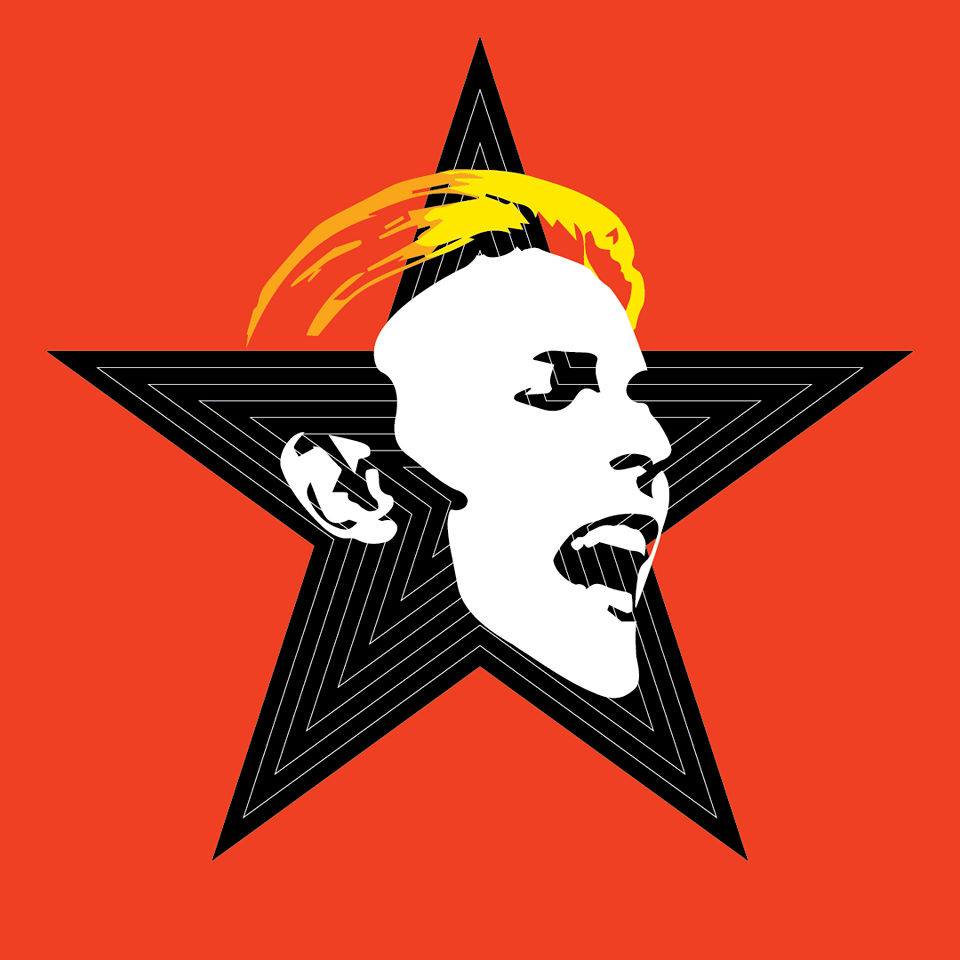
Little Wonder: David Bowie's Secret Gig at The Factory (with Ray O'Donoghue)
In 1997, David Bowie released Earthling, an album deeply influenced by the sound of drum and bass and industrial electronic music. Spending time in Dublin city, Bowie befriended the Quadraphonic collective, who brought the drum and bass sound to the city at venues like The Globe and The Kitchen. This led to a secret concert at The Factory venue in Ringsend. My guest Ray O'Donoghue is now the Night

Census City: Dublin 1926
The release of the 1926 census from the National Archives of Ireland is now imminent. These returns should give us fascinating insights into a post-revolutionary Ireland. In this episode, we look at the capital in 1926. It was a defining year in Irish cultural history, with the birth of 2RN and O'Casey's Plough and the Stars, but it was also an austere time. Strikes were plentiful, with the Genera

Before the Summer of Love: Emmett Grogan's Dublin Adventure
SERIES 4, EPISODE 1. Welcome back to a new series. Emmett Grogan was one of the defining figures of American counterculture in the 1960s. Though his name is almost completely unknown in Ireland, the author of Ringolevio: A Life Played for Keeps is a man for whom Bob Dylan dedicated an album, and who was described by Abbie Hoffman (who he distrusted greatly) as "the hippie warrior par excellence."
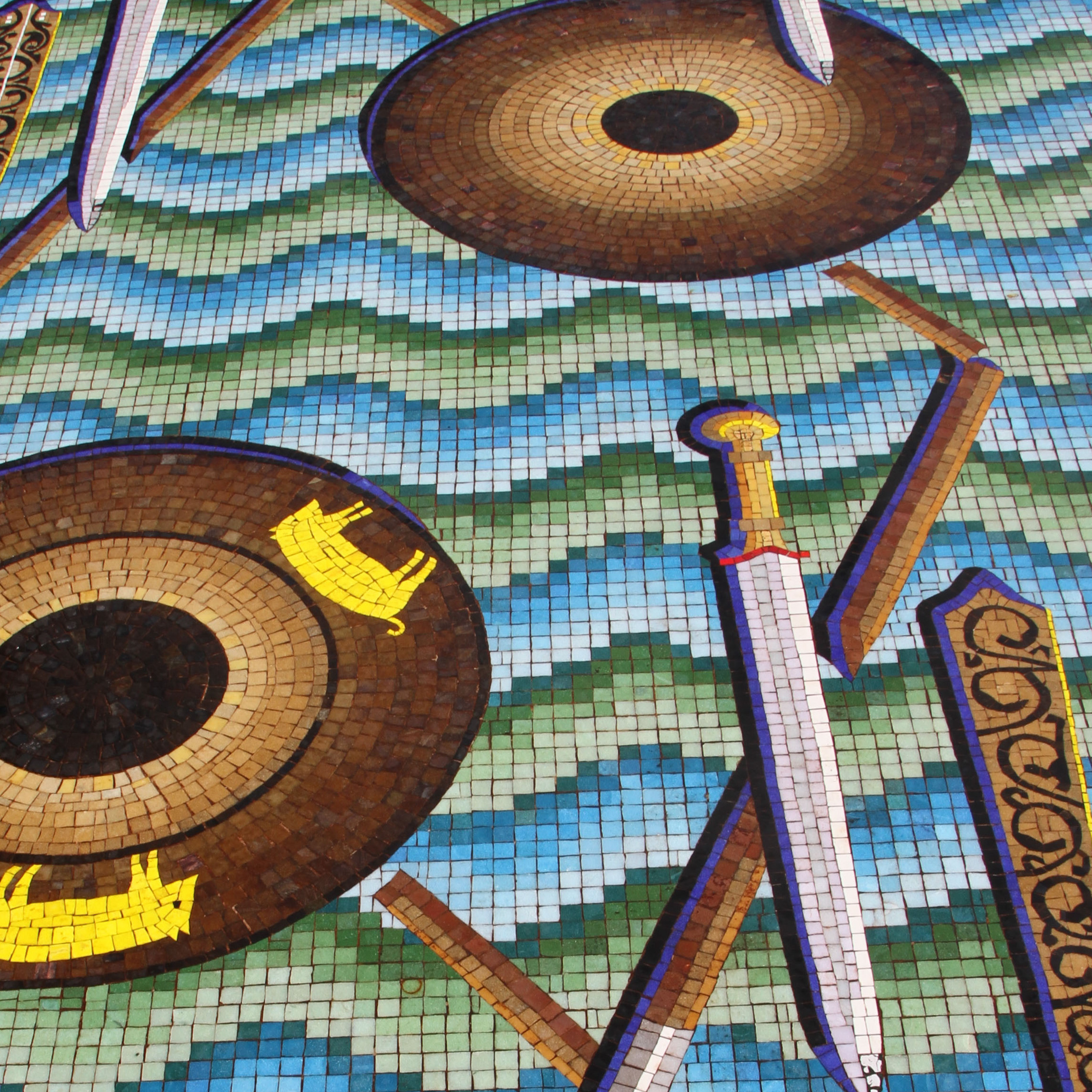
From Rutland to Parnell: The Story of a Dublin Square (With Elizabeth Kehoe)
One of Dublin's Historians in Residence, Elizabeth Kehoe has developed a walking tour of Parnell Square which shines a lot on many aspects of its history. Walking around it, we encounter things as diverse as symbolic weapons in the mosaic tiles of the Garden of Remembrance and the coat of arms of the Duke of Rutland. In recognition of the involvement of the Hugh Lane Gallery in Dublin City Council

When Earley Met Gandon: Bringing Light to the Custom House
James Earley comes from a family rooted in the story of Irish stained glass. As an artist, his work often pays homage to Earley Studios and those who came before him. As part of Dublin City Council Dublin Winter Lights, he has brought an extraordinary show to James Gandon's Custom House. This offered an opportunity to talk about his career to date, stained glass broadly, and art in the public sphe
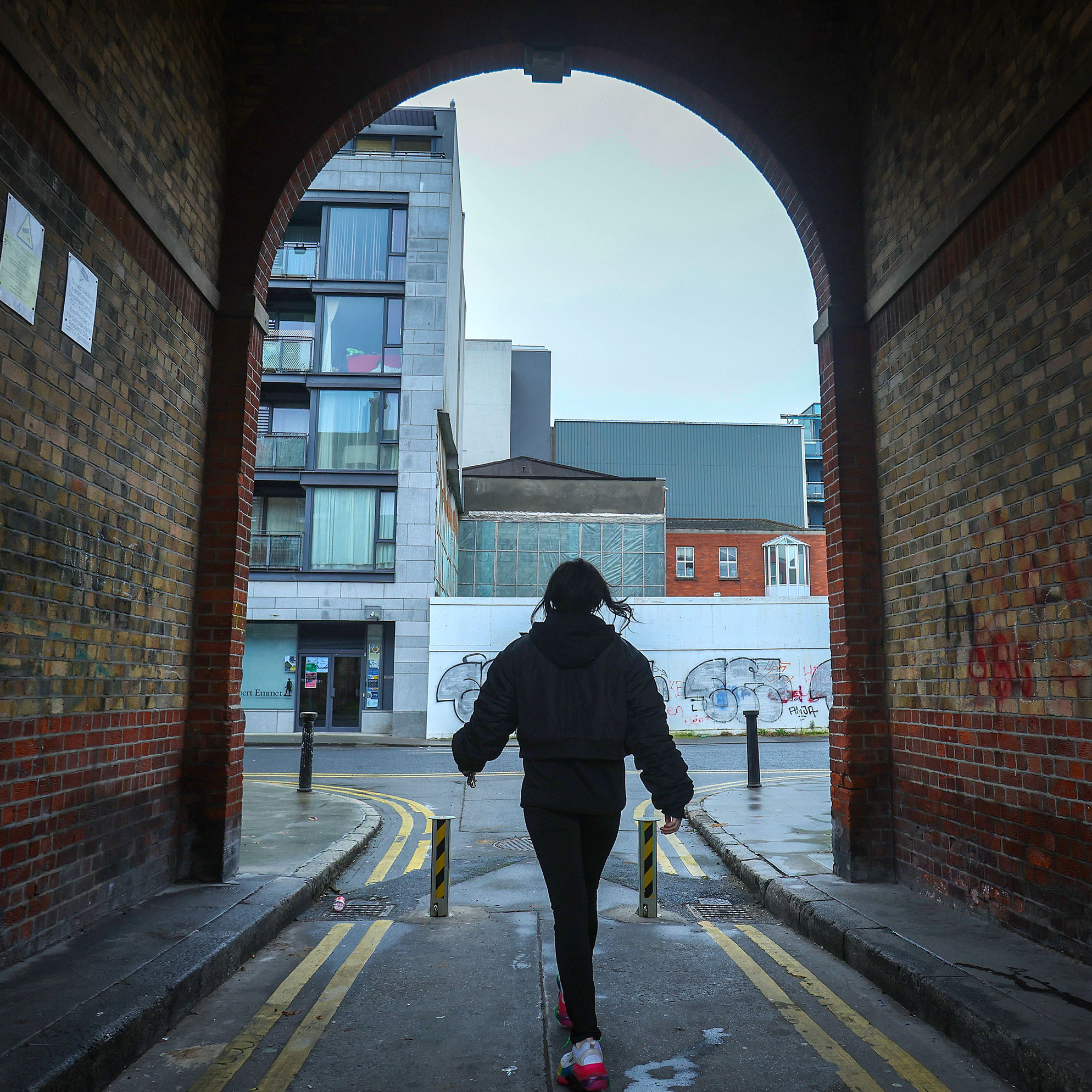
Simms City (with Gayle Cullen Doyle and Eoin Ó Broin)
More than just a resident of Oliver Bond House, Gayle Cullen Doyle is a vital voice within her community, advocating for and representing her neighbours. Eoin Ó Broin is the new author (with photographer Mal McCann) of a study on Herbert Simms, which places schemes like Oliver Bond House in context. Recorded in Oliver Bond House, this discussion is one that emphasises the importance of good qualit
A Christmas Carol and Fenian Fears: Charles Dickens in Dublin
On three occasions, Charles Dickens would speak in Dublin. Each time huge crowds came to hear him speak in the Rotunda, with the crowds spilling out into Sackville Street and well beyond. A Christmas Carol was the highlight of all three tours. Beyond his readings, Dickens also wrote interesting letters from the city, comparing it favourably to London and Edinburgh. There was once a time when Dubli
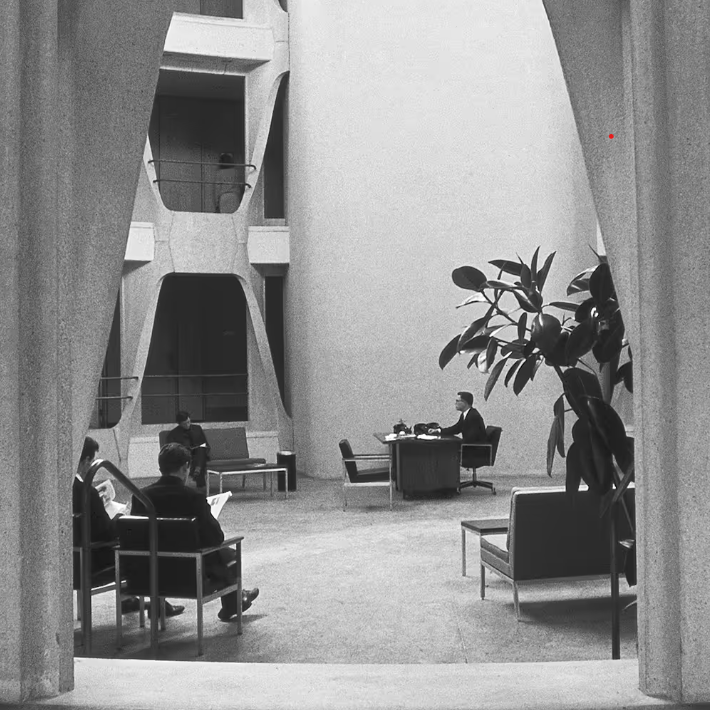
Modernist Mausoleum or Masterpiece? The US Embassy in Ballsbridge (With Cormac Murray)
Cormac Murray is the author of a new study of the US Embassy in Ballsbridge. A visual feast, it explores one of Dublin's most unusual buildings in its architectural, social, cultural and political contexts. The work of John M. Johansen,described as "a Neoclassical Modernist", the building was something of a never-ending saga. In an edition of just 400, the study is available from Phibsboro Press Y

The Making of a Brewery (with Ned Guinness)
The story of Guinness is one of great success, yes, but also turbulence. Together with historian Antonia Hart, Ned Guinness has produced a family history that doesn't shy away from the challenges faced, while shining a spotlight on some of the key figures in the ultimate success of the brand. Our story passes through events like 1798 and 1916, but there is also talk of the future. Please vote for
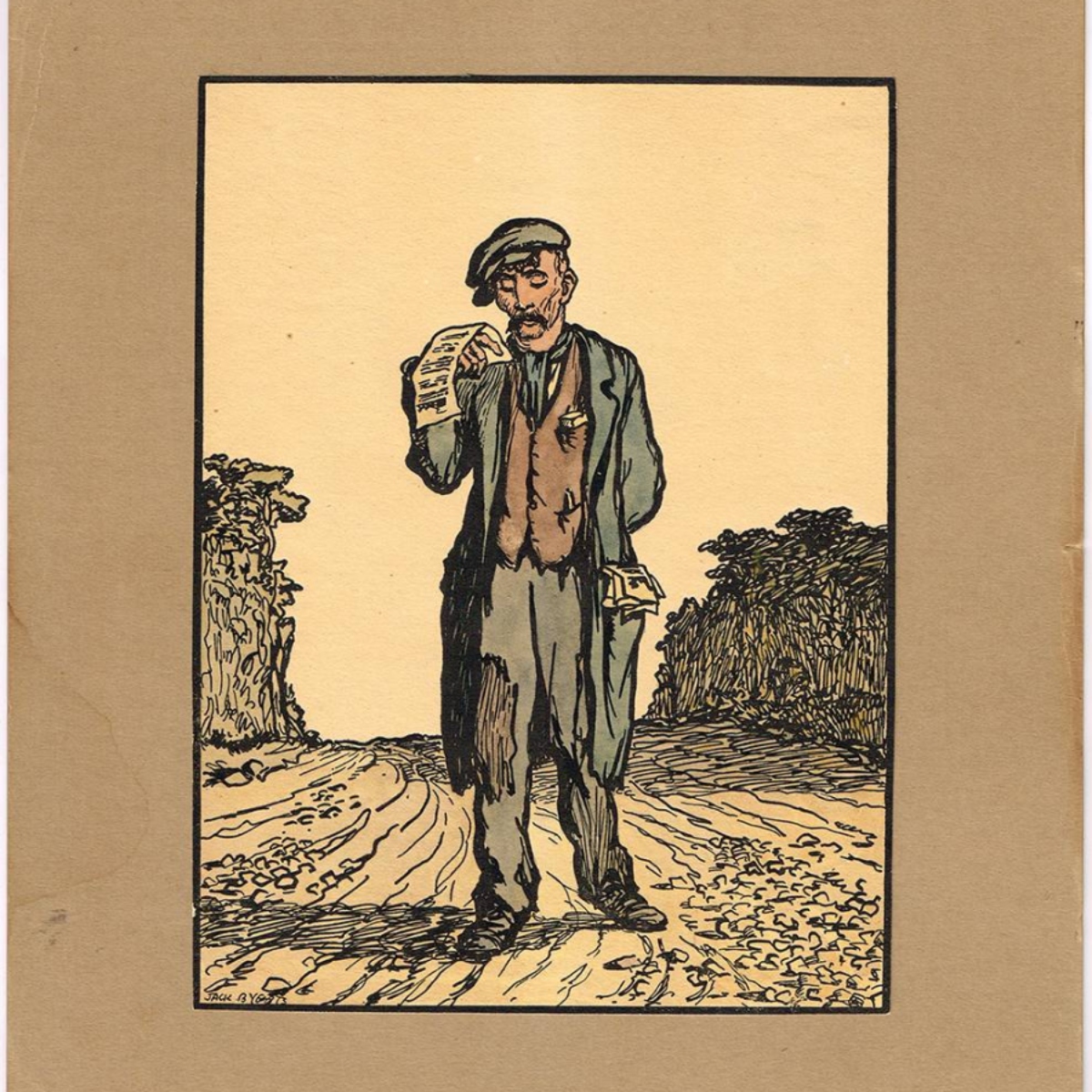
Lord Leitrim, John Twiss and the songs of our year (with Michael Steen)
Lord Leitrim, John Twiss and the songs of our year (with Michael Steen) This edition of the podcast is dedicated to the memory of Manchán Magan. Singer Michael Steen (a member of the An Góilín Traditional Singers Club) has developed an intriguing calendar of the year, which creates a journey of song through the seasons. Some of these songs are tied to folklore traditions, others mark key annivers
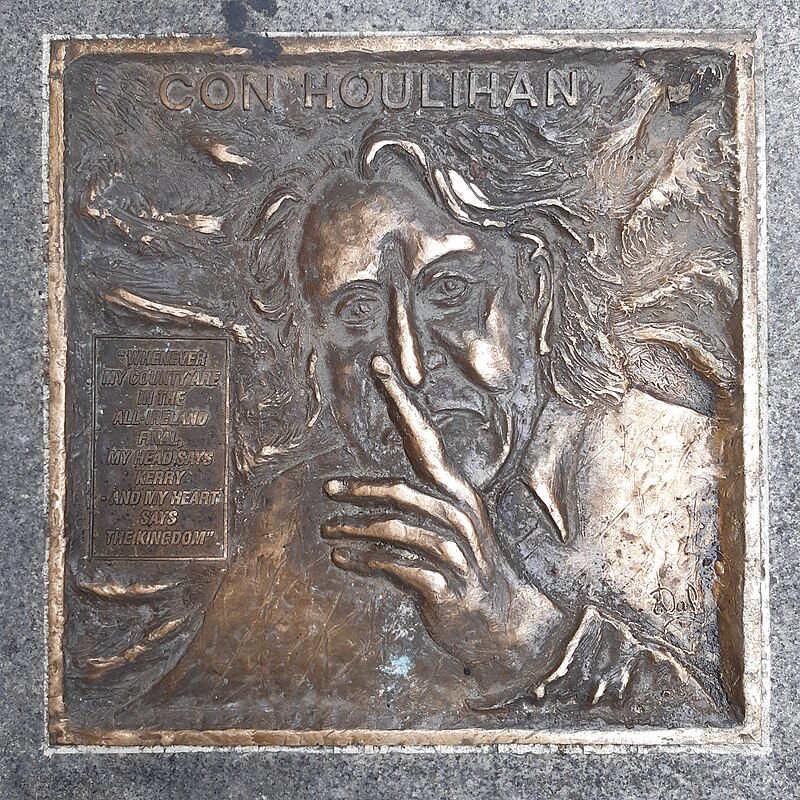
Castle Island Colossus: Remembering Con (With Roy Curtis and Brendan Conroy)
At a packed Oak Room in the Mansion House, a celebration of the life of the journalist Con Houlihan last Saturday brought the audience on a journey into the work and passions of one of Ireland's most beloved scribes. Born in Castle Island (two words, he insisted) in 1925, Con became the heart of the Evening Press newspaper on Dublin's Burgh Quay. His love for his native Kerry, sport, literature,

Grainne Shaffrey in Conversation: On Cities, Towns and Our Built Environment
Shaffrey Architects was established in 1967 by Patrick and Maura Shaffrey. Based on Ormond Quay,the practice has made a real and meaningful contribution to Dublin and beyond, with projects including 14 Henrietta Street and Wicklow Head Lighthouse. Fifty years on from Patrick Shaffrey producing The Irish Town: An Approach to Survival, Grainne Shaffrey joins me to talk about the journey since. This
Brian Kerr in Conversation: Drimnagh, Libya and Beyond
Brian Kerr's voice is instantly familiar as a broadcaster, and his contribution to Irish football is extraordinary. Born in 1953, his first coaching role came while barely a teenager. In the 1980s he would come to manage the team he had supported since his childhood, St Patrick's Athletic, before going on to historic victories with Ireland's youth teams in the 1990s. In this discussion, we touch o
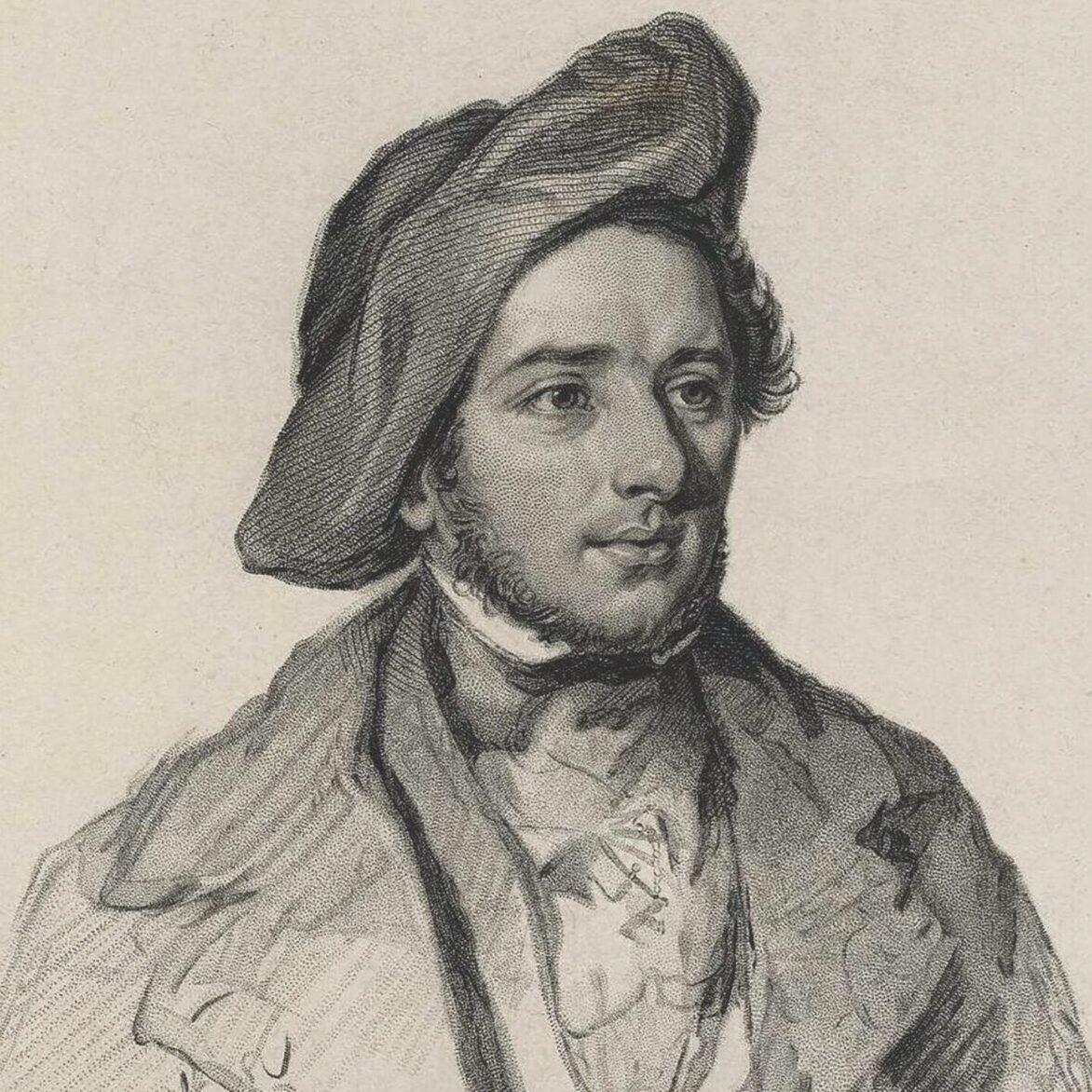
Famine Soup: Alexis Soyer, Trevelyan and The Great Hunger in Dublin
Padraic X. Scanlan is the author of Rot: A History of the Irish Famine. Framing the crisis in Ireland within the broader picture of Empire, this book brings much to how we understood the events that reshaped Ireland. While the crisis recalls rural Ireland, Dublin was central to the story, as the location of the Castle Administration and a bustling port. In this episode we touch on the peculiar
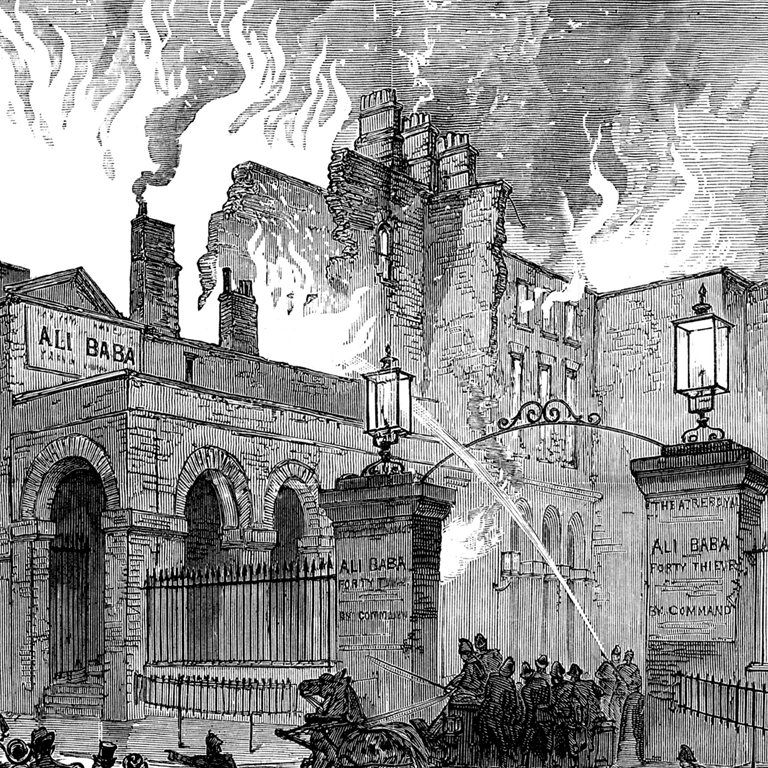
Fighting the Flames: Captain James Robert Ingram
In 1860, a blaze in the Kildare Street Club led to the death of three workers and the destruction of an institution. Together with other fires of the era, this provided the imperative for a municipal fire service. While Captain James Robert Ingram's name is associated with the 'Whiskey Fire' of 1875, there were many other significant fires, including the destruction of Dublin's Theatre Roy
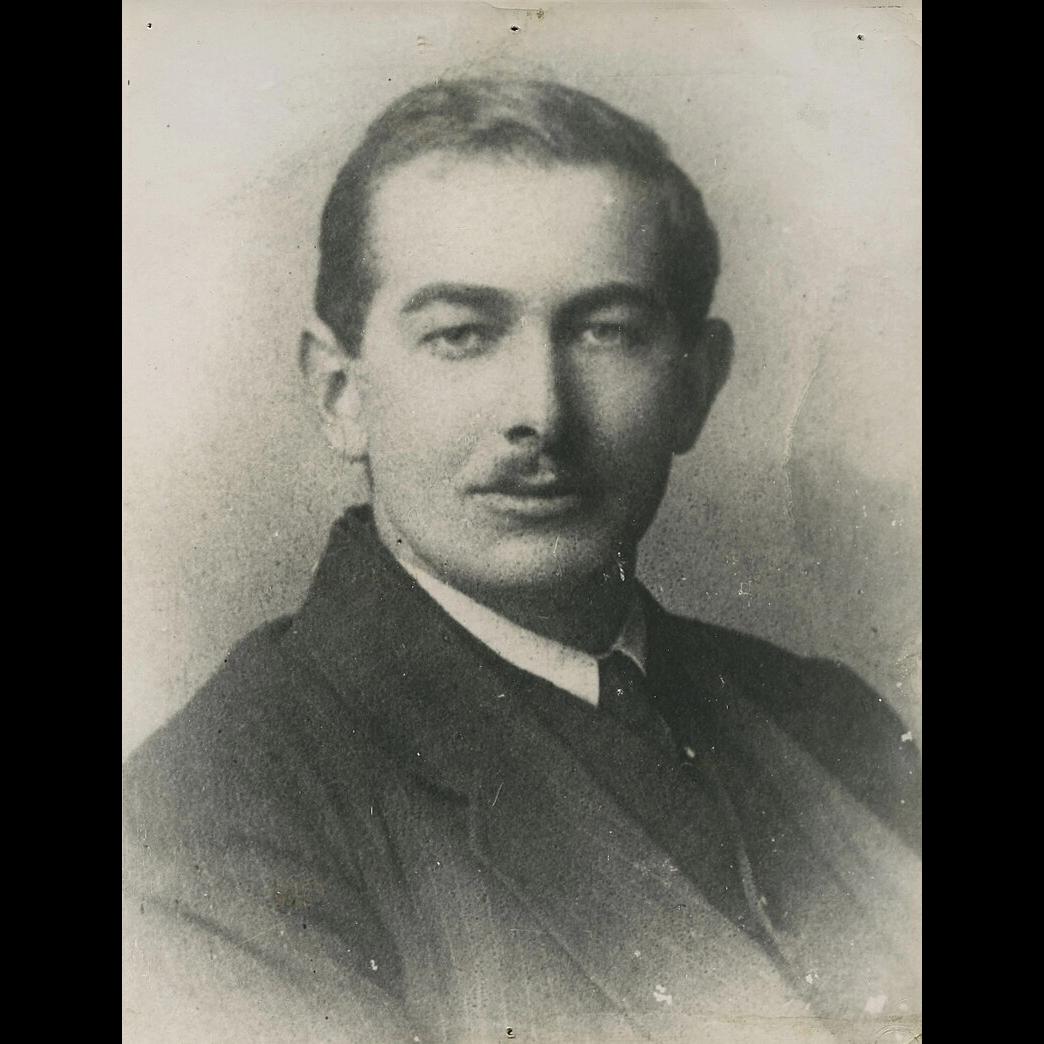
Tipperary So Far Away: Remembering Seán Treacy on Talbot Street
Niamh Hassett and Sean Nugent join me in this special edition of the podcast, exploring a wonderful Tipperary tradition on Dublin's Talbot Street. When the Premier County reach an All Ireland Final, hundreds gather to remember Seán Treacy on the morning of the game. What began this tradition, and why is it growing in popularity?
Mohair Suits in the National Ballroom: The Showband Era
This month brings the fiftieth anniversary of the tragic murders of members of The Miami Showband. This band, drawing its members from both sides of the border, was a defining part of the showband scene that withstood the changing musical tastes of the country from one decade into the next. Where did the Showband Scene come from, and what were its lasting impacts on music in Dublin and beyond?

'A Perfect Prodigy of Moral Horrors' - The Donnybrook Fair
The Donnybrook Fair is recalled in ballad and memoir as a notorious and chaotic annual event, but what really went on there? Over centuries, the annual fair drew revellers from near and far to Donnybrook, but a combination of social reformers successfully brought about its demise in the 1850s. In this story, we meet characters as diverse as prize fighter Dan Donnelly, and civic reformer James Haug

Porter Wars: Patriotism and Pints (with Christina Wade)
Christina Wade's new history of Irish beer is a masterclass in social and economic history. In the context of Dublin, it tells us a lot, especially about the challenges that faced breweries in turbulent times. In this episode, we look at her chapter 'Porter Wars', and how unfair trade laws and domestic and international politics all shaped the producing and selling of beer in Dublin. Filthy Queens

From 'Peelers' to Gardaí: How the Dublin Metropolitan Police and An Garda Síochána merged (with Paul Maher)
The first ever Kilkenny Law Fest took place last weekend. On its bill, a discussion with Superintendent Paul Maher of the Garda Historical Society. Paul did so much in the Decade of Centenaries to involve the force, and it was great to talk to him about the 1925 merging of the Dublin Metropolitan Police and AGS. This discussion takes in early Irish policing, as well as looking at what made Dublin

The Animal Gangs: An Irish Peaky Blinders?
A nice mention for the podcast recently on Crime World inspired me to go back to the subject of the Animal Gang. Seperating fact from folklore, just who made up the so-called Animal Gang of 1930s and 1940s Dublin. Was there one gang, or does the term mean something much broader? What was the relationship between the Animal Gang and the turbulent politics of the time. For more on the Animal
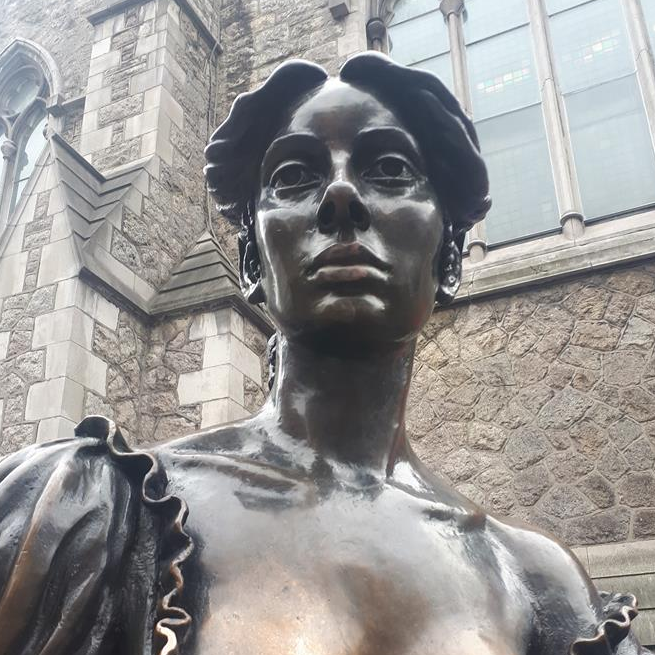
Streets Broad and Narrow: Tony Gregory and Molly Malone
Tony Gregory remains one of the most beloved TD's in the history of the city. Lately, talk of the Molly Malone monument has reminded me of the story of Gregory's activism on behalf of Dublin's largely female street traders, and his comments on the statue of Molly in the late 1980s. Is it time to move her to a more fitting location, where Jeanne Rynhart's monument might finally be respected?
Blueshirt Bluster? The March on Dublin
Historian Pádraig Óg Ó Ruairc has just produced Burn Them Out, a history of the Irish far-right. One of its most intriguing chapters studies the Blueshirt movement, tracing its development from an association of veterans into something much broader. Studying intelligence files and reports, Ó Ruairc demonstrates the surprising level of violence associated with this movement around the country. So,

Leo Burdock and Ivan Beshoff: Fish, Chips and Revolution
Both Patrick Leo Burdock and Ivan Beshoff were revolutionaries, though in very different circumstances. These two names remain stalwarts of the Dublin chipper landscape, but did you know a branch of Leo Burdock's was raided in 1941, or that Ivan Beshoff lived to be over 100? From the Battleship Potemkin to a tramway strike in Dublin, this is the story of two remarkable men.
The End of Monto: A Century On
This edition of the podcast contains adult language and themes and is not suitable for younger listeners. This special live edition of the podcast was part of Abair, an annual programme within the Saint Patrick's Festival. Joining me is Caroline West (author of a recent best selling history about Monto and a sex educator and columnist), Terry Fagan (oral historian and Monto expert), MacDara Yeates
The Dawning of the Day: Last Orders at the Early House
In Dublin, just a handful of public houses now open at seven o'clock in the morning. Where did these early houses come from, and what has influenced their decline? On this journey across the city, we visit a pub financed by the Beamish & Crawford Brewery, as well as the historic fruit and vegetable market. Thanks to Brand New Retro for scanning SLATE Magazine!

A Complete Unknown? When Dylan came to Dublin
Bob Dylan's 1966 visit to the Adelphi Cinema is a concert on which there is very little agreement. Torn apart by one Dublin reviewer, many who were there describe the gig in different terms entirely. For many in attendance, it was an extraordinary experience. Visiting Dublin in a year when The Clancy Brothers were putting Dublin's story on the international map, the Dylan concert survives. Suppor
Traditional Singing from Dublin (with Macdara Yeates)
Described by The Irish Times as 'raucous, bawdy, reflective and wistful in turn', Traditional Singing from Dublin is more than just an album of songs. Inspired by figures as diverse as Liam Weldon and Seosamh Ó hÉanaí, this work has a strong sense of history throughout. Macdara Yeates joins me. You can stream Traditional Singing from Dublin now. Tickets for TradFest are available at www.tradfest.c

From The Nation to Shane MacGowan: Finding James Clarence Mangan (with Bridget Hourican and Warren Farrell)
In Glasnevin Cemetery, James Clarence Mangan's grave lists him as 'Ireland's National Poet.' Today, he is a curiously overlooked character. His influence on figures as diverse as Philip Lynott and Shane MacGowan is explored in this podcast, where Mangan's biographer Bridget Hourican explores his life, and historian Warren Farrell discusses his resting place and memory. 'Finding Mangan' and 'So On

Tonehenge: Edward Delaney's Wolfe Tone Monument
In 1898, tens of thousands of people paraded in Dublin for the unveiling of a foundation stone to a Wolfe Tone statue. So why did it not happen? Only in 1967 did Edward Delaney's tribute to Tone appear on St Stephen's Green. In this podcast, celebrating the fact the Tone monument is part of Dublin City Council's Dublin Winter Lights, Delaney's son and biographer joins me at the memorial to talk ab

Night at the Museum
These are exciting times at the Collins Barracks branch of the National Museum of Ireland. This week, the first Harry Clarke display at the museum opens, showcasing six works by Ireland's most beloved stained glass artist. The Museum is also taking part in the Dublin City Council 'Dublin Winter Lights' for the first time. Dónal Maguire, Keeper of Art & Industry at the National Museum of Ireland, g
The Stained Glass Artist From a Dublin Tenement
The story of Michael Healy is one that tells us much about the Dublin of his time. Born into a working class inner-city family in 1873, Healy was shaped by the artistic and cultural movements of the time, becoming a central figure in the stained glass studio An Túr Gloine. The work of that studio is still to be found across Dublin today. His biographer David Caron joined me in Dublin's Hugh Lane G

Remembering The SFX Hall (with Paul Page and David Bell)
In the heart of Dublin's north inner-city, the SFX was one of the defining venues of Dublin's music scene. U2, The Smiths, New Order, Siouxsie and the Banshees and The Pogues are just some of the acts to have taken to the stage in the Jesuit hall that enjoyed a remarkable second life. I'm joined by David Bell (who experienced the venue as a fan, reporter, merchman and band manager) and Paul Page (

The Women of Bram Stoker's Life: Memory, Folklore and Patriotism (with Marion McGarry and Eva Jane Gaffney)
Bram Stoker's life and career was shaped by the strong women around him. Charlotte Stoker, his mother, raised him on folklore and stories of her own youth, while Speranza (Lady Jane Wilde, the mother of Oscar) was a key influence in expanding his knowledge of Ireland's folklore and mythology. I'm joined by Marion McGarry, author of the acclaimed book Irish Customs and Rituals and an authority on
Irish Food History: From B.C. Times to the Grogan's Toastie
Irish Food History: A Companion is an extraordinary thing - a moment in Irish publishing history. Coming in around 800 pages, it covers everything from archaeology and food to the pub grub of today. Full of archival images, poetry, recipes and more besides, the book captures the best of what is happening in Irish food research. On this episode, editors Dorothy Cashman and Máirtín Mac Con Iomaire j
Paula Meehan: History and Poetry
Paula Meehan is a poet for whom history is a constant source of inspiration. In this discussion at the Dublin Festival of History, she reads a number of poems written throughout the Decade of Centenaries, as well as other work shaped by the past. Paula's collection, The Solace of Artemis, is available from: https://booksupstairs.ie/product/the-solace-of-artemis/
Lee Miller: From Hitler's Bathtub to The Palace Bar
Lee Miller is best recalled now for her defining images of the Second World War. With Kate Winslet playing the role of Miller in a new film, it seems a good time to explore Miller's visit to Dublin in the winter of 1946. Sent by Vogue to photograph James Joyce's Dublin, her images capture scenes like Barney Kiernan's public house and Belvedere College.
Catriona Crowe in Conversation (Live at the Seán Corcoran Series)
Catriona Crowe is former Head of Special Projects at the National Archives of Ireland. She is Ireland's most recognisable archivist, and someone to whom all historians of modern Ireland are indebted. At the recent Seán Corcoran Series (www.seancorcoranseries.com/) we discussed archives, oral history and much more.
The Moore Street Woman who Fought the Nazis (with Clodagh Finn and John Morgan)
Clodagh Finn and John Morgan have produced an important history of the involvement of Irishmen and women in the anti-fascist movements of the Second World War. One of the most extraordinary stories they have uncovered is Catherine Crean, a woman in her sixties originally from Dublin's Moore Street. She would give everything in defence of democracy and in opposition to Hitlerism. The Irish in the R

Destination Anywhere: Getting Around the Hibernian Metropolis
This year marks four decades of the DART. Along with that, the Luas has turned twenty. These two services have radically changed how we live in Dublin, but where did they come from and how did Dublin's transport history shape them? This episode explores these things and questions of tomorrow.

A Sensation Once Again: Brian Warfield of the Wolfe Tones (Live at Mindfield, EP)
Seeing the inevitable headlines on the horizon around the Wolfe Tones performing at Electric Picnic, I decided to reach out to Brian Warfield for a chat about his book, The Ramblings of an Irish Ballad Singer. Amongst other things, Brian spoke to me about his family origins, why the Tones recorded songs like 'The Sash', and the importance of the English folk music revival for his band. (Original i

Olympic Glory: Jack B. Yeats and The Liffey Swim
The Liffey Swim is a beloved painting, and one of the most visited works in the National Gallery of Ireland. A century ago, it led to the first Olympic medal of the new Free State. With calls for the creative arts to return as a competitive dimension of the Olympics, this episode explores Jack B. Yeats and the cultural and political context of his win. Support TCB at www.patreon.com/threecastlesbu

Nothing Highfalutin: The Brilliance of Hilary Heron (with Billy Shortall)
At the Irish Museum of Modern Art, a new exhibition explores the life and work of artist Hilary Heron. Like many, I came away from it amazed that this important modernist sculptor was not better known here. Born in Dublin in 1923, her work achieved international recognition in her own lifetime. Dr. Billy Shortall is the author of an essay on Heron in the exhibition catalogue, and has done great w

On Tommie Potts and The Liffey Banks (with Martin Hayes)
More than just one of Ireland's most beloved musicians, Martin Hayes is also the author of Shared Notes: A Musical Journey. In his memoir he introduces us to a host of brilliant characters, ranging from childhood friends and relations in East Clare to those who would become central to The Gloaming. One figure we meet is Tommie Potts, a Dublin firefighter from the Coombe and a fiddle player. The Li

Adoration and Protest: Orson Welles and Dublin
Orson Welles made his stage debut in Dublin. To him, The Gate Theatre would always be a part of the story of his own life development and professional career. Later, he returned to scenes of protest against the same theatre for hosting him. In time, all was forgiven and Welles would deliver an astonishing Q and A before a packed Dublin crowd who quizzed him on everything from American politics to

Red Roses For Me (with Spider Stacy and James Fearnley)
This year marks the 40th anniversary of Red Roses For Me, the first album from The Pogues. Borrowing its title from Sean O'Casey, it also carries literary influences like Ulysses and Brendan Behan proudly. As an exhibition on the London-Irish currently runs in Dublin's EPIC emigration museum, what better time to discuss this defining London-Irish band who still mean so much? Here Comes Everybody b

On a quiet street where old ghosts meet
We know it as 'On Raglan Road', but the journey of the song that began life as a poem tells us a lot about Bohemian Dublin in an earlier time. In the Bailey tent at the Luke Kelly Festival, playwright Jimmy Murphy takes us through the story of the Kavanagh masterpiece Luke Kelly made his own. We also get a great rendition from Fergus Whelan (with a little help from Patrick Kavanagh in the recordin

Remembering The Dubliners (with Brian Hand and Phelim Drew)
Like his father Jim Hand before him, promoter Brian Hand would build a real and lasting relationship with The Dubliners over many years. For singer and actor Phelim Drew, the band were like an extension of family. In this discussion, recorded live at the Luke Kelly Festival, we get into great personal memories of The Dubliners and what the band still mean today. Contains some bad language.

The Anatomy of a Massacre
Fifty years ago today, a series of no-warning car bombs erupted across Dublin and Monaghan. This would prove to be the bloodiest day of the Troubles. Immediately, questions were raised about how this event had come to pass. In a new documentary, director Joe Lee and producer Fergus Dowd explore what happened on 17 May 1974. Warning: This episode is quite graphic in describing the day. This episod
Portals, Clocks and Cows
Temporary interventions into the Dublin streetscape have a curious history. This week, the livestream portal with New York made international headlines. For me, it recalled the CowParade, Bowl of Light and other such things. When you put something out there on the street, there's no way of telling how people will respond. Support TCB: www.patreon.com/threecastlesburning

The Isle of Wight on Emmet Road
In 1970, the outdoor rock festival was a totally new idea in Ireland. Amidst press coverage of Woodstock and the Isle of Wight, focused on LSD and exagerated crowd trouble, the booking of Mungo Jerry, Thin Lizzy and others for Richmond Park would be the first Dublin experience of such a festival here. Why did this festival fail? And how, just a few short years later, had the festival become such a

The Battle of Tallaght: 'Yankee Fenians' and 1867
To the Dublin press, the American Civil War veterans in Dublin cut an unusual shape. These 'Yankee' characters looked different, but they also behaved differently. Under the direction of Captain Thomas J. Kelly, these men would be centrally important to the Fenian uprising of 1867. While history remembers this as a skirmish on a hill in Tallaght, much more happened in March 1867 than that.

'Then Mount Jerome for the Protestants.'
The story of Mount Jerome Cemetery is the story of Victorian Dublin. There, many of the great innovaters of the city are at rest. If Glasnevin brings to mind the Irish revolution, Mount Jerome instead makes us think of the nineteenth century. Still, there is great diversity in who is (and isn't) buied there. This is a story that touches on everyone from Charles Stewart Parnell to the so-called 'Ge

The Divine Mission of Discontent (Jim Larkin Part II)
The labour leader Jim Larkin was international news when he departed Ireland in 1914. In America, Larkin would cross paths with the FBI founder J. Edgar Hoover, landing in prison for 'Criminal Anarchy'. What did all of this mean back in Dublin? My guest is Ronan Burtenshaw, author of a recent piece on Larkin for Jacobin magazine: https://jacobin.com/2024/01/jim-larkin-ireland-labor-150

The Rising of the Moon (Jim Larkin Part I)
This year marks the 150th anniversary of the birth of Jim Larkin. In this two-part special, Ronan Burtenshaw (author of a recent piece exploring Larkin for Jacobin magazine) joins me to discuss this important and divisive revolutionary figure. Larkin in Dublin means 1913, but where did he come from? This story brings us from Liverpool Cathedral to the streets of West Belfast. Ronan's piece: https:
Before Mosley: The British Fascisti in Dublin
Pádraig Óg Ó Ruairc is no stranger to this podcast. While his latest book explores 'The Disappeared' (launching this month from Merrion Press), he has also been undertaking a study of the far-right in Ireland historically. Moving beyond the familiar, like the Army Comrades Association ('the Blueshirts'), Pádraig's study begins with some more overlooked groups. Even before Oswald Mosley, the Britis

Flying Fists and Union Jacks
SEASON 3! A recent television debate on the Irish language in schools reminded me of a curious story from history. The Language Freedom Movement touches on many widely known figures in 1960s Ireland, including John B. Keane and the broadcaster Gay Byrne. In the Mansion House, a meeting descended into chaos.

From Ten Till Dusk: 200 Years of the RHA (with Cristín Leach)
2023 marks the 200th anniversary of the Royal Hibernian Academy, an institution which has moved across the Liffey owing to the flames of Easter Week, and which has championed the visual arts through an ever-changing Ireland. Cristín Leach is the author of a new creative study of the body, which weaves history and art to tell the story.
There Is a Light That Never Goes Out
Over five generations, one family have played a unique role in the story of the Phoenix Park. More than that, the Flanagan family have a history that stretches back even earlier in the story of this beloved space. Joyce maintained that in the particular is contained the universal - can we tell the story of a place through this one unique tale? The Lamplighters of the Phoenix Park is available now

Asylum: Inside Grangegorman
Brendan Kelly is the author of a new history of Grangegorman and the asylum located there for generations. This conversation was recorded within the grounds of the site. What was the life of a patient in an asylum really like? Through letters, medical records and doctors' notes, Brendan Kelly gives us a glimpse inside Grangegorman and the lives of those who lived and worked there. Not a particular

Napoleon's Toothbrush
Ridley Scott doesn't seem to get on with historians, but here is a nice little story all about Napoleon and his surprising Dublin connections. One of the most revealing and personal insights into Napoleon came from a Dublin doctor who spent time with him on the island of St Helena. My Name Is Napoleon Bonaparte by Dónal Lunny and Frank Harte was released in 2001.

Bringing Light to O'Connell Street (with Nicola Pierce)
Nicola Pierce is the author of O'Connell Street: The History and Life of Dublin's O'Connell Street. It is a book as much about people as buildings, which charts the unique story of Ireland's most famous street. Now illuminated in a unique way as part of Dublin Winter Lights, we walked the street together on a busy evening chatting about its statues and landmarks. Thanks to the team at Dublin Winte

'And Beckett plays the gong.'
James Morrissey has produced a beautiful and important book exploring the history of Claddagh Records and Garech Browne. 'Real to Reel' explores a record label which championed not only Irish folk and traditional music, but also poetry and the visual arts. Now, the label has returned with great new talents including OXN. Both me and James Morrissey will be appearing at 'Banter' at Other Voices thi

Roger Doyle: The Godfather of Irish Electronic Music
Roger Doyle has made an incredible contribution to Irish music across decades. In this discussion he talks about everything from his own musical beginnings to Operating Theatre, and from The Diceman (Thom McGinty) to James Joyce. Roger Doyle's music is available from https://rogerdoyle1.bandcamp.com/ This edition of the podcast is dedicated to the memory of my friend Hughie Friel. (Image Credit: T

The Irish Supernatural (with Kathy Rose O'Brien and Brian J. Showers)
Irish supernatural writing did not begin or end with the great Bram Stoker. Indeed, even within Stoker's own family there were other great writers. In this very special edition of the podcast, actor Kathy Rose O'Brien brings to life four extraordinary authors, while Brian J. Showers of Swan River Press talks us through this genre. www.swanriverpress.ie